



可逆圧延機
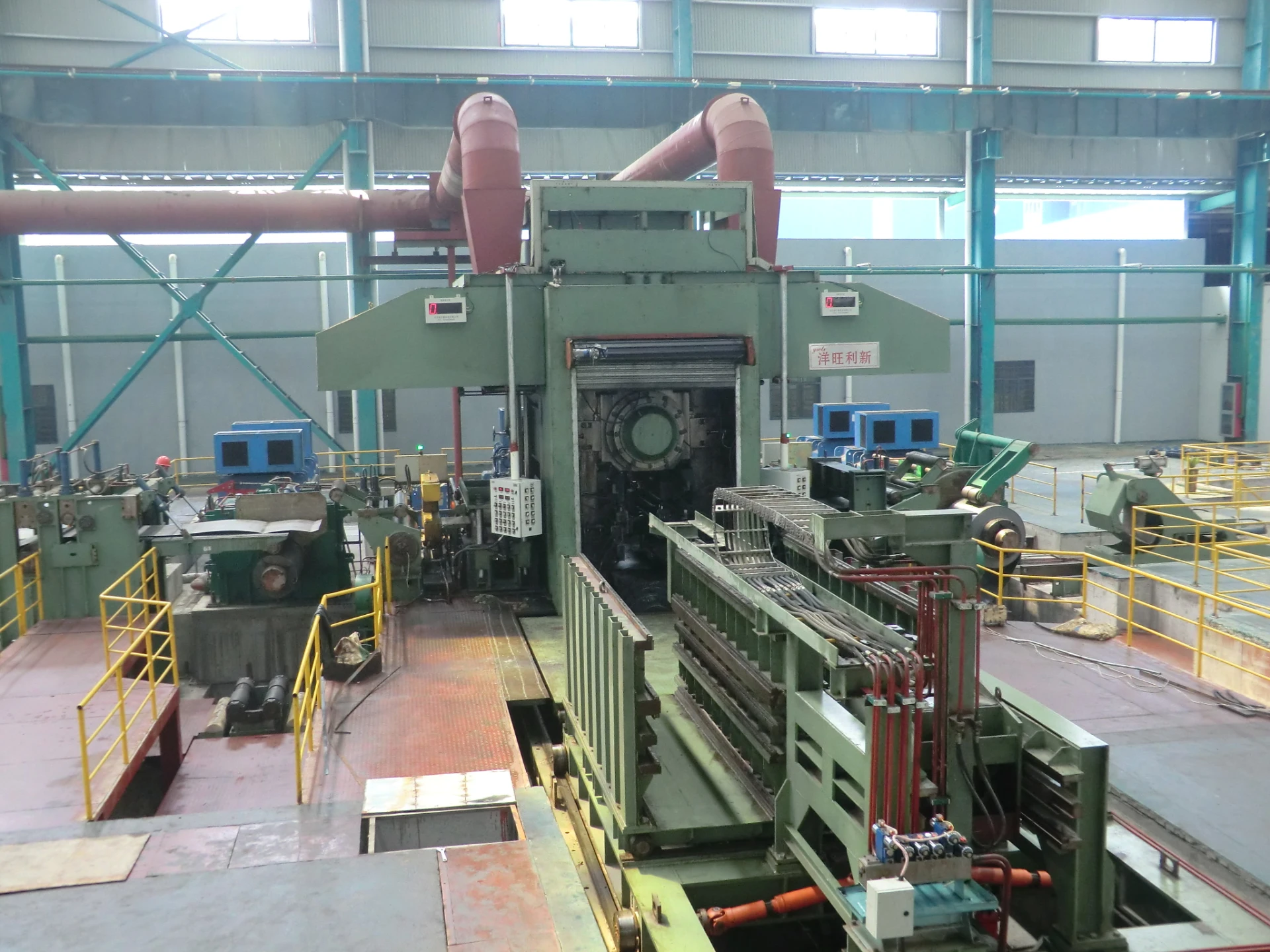
/The fundamental working principle of a reversible cold rolling mill involves passing the strip back and forth between the work rolls, with each pass applying controlled reduction. Between passes, the strip is wound onto recoilers at both ends of the mill stand, allowing for continuous processing without the need for multiple stands. This configuration provides exceptional flexibility in scheduling different steel grades and dimensions, a critical factor in stainless steel production where product mix variability is high. Technical Advantages of Reversible Cold Rolling Mills for Stainless Steel The reversing cold rolling mill offers several distinct technical advantages when processing stainless steel compared to alternative rolling methods. One significant benefit is the exceptional thickness control achievable through the mill's configuration. The single-stand design of a cold reversing mill allows for more precise gauge control across the strip width and along its length, critical for maintaining consistency in high-value stainless steel products. Modern mills incorporate automatic gauge control (AGC) systems that continuously monitor and adjust roll gaps during both forward and reverse passes. Another advantage lies in the mill's ability to handle a wide range of strip widths and thicknesses without requiring extensive setup changes. A reversing rolling mill can efficiently process both narrow strips for precision applications and wide coils for architectural panels, simply by adjusting side guides and roll bending systems. This versatility significantly reduces changeover times between different product specifications, improving overall equipment effectiveness in stainless steel production. The reversible cold rolling mill also demonstrates superior flatness control capabilities, essential for stainless steel products. Through advanced roll bending and shifting systems, combined with selective cooling technologies, the mill can compensate for natural crown variations and maintain consistent flatness across the entire strip. This capability becomes increasingly important when rolling wide stainless steel strips where flatness deviations can lead to significant quality issues in downstream processing. Quality Control Considerations in Stainless Steel Reversing Mills Maintaining consistent quality in a reversing cold rolling mill processing stainless steel requires comprehensive control systems and rigorous operating procedures. One critical aspect is the implementation of inline measurement systems that monitor key parameters during each pass. Modern cold reversing mills are equipped with advanced sensors that continuously measure strip thickness, width, flatness, and surface quality, allowing for real-time adjustments to maintain product specifications. The reversing rolling mill environment also demands strict control of rolling oil filtration and temperature. Contaminants in rolling oil can lead to surface defects that are particularly problematic for stainless steel products. High-efficiency filtration systems maintaining oil cleanliness to NAS 6 standards or better have become standard in modern reversible cold rolling mills dedicated to stainless steel production. Another quality consideration is the management of residual stresses in the rolled strip. The nature of reversing cold rolling mill operations, with multiple passes and direction changes, can introduce complex stress patterns in the material. Advanced tension control systems and optimized pass schedules are employed to minimize these effects and ensure the rolled stainless steel maintains optimal flatness and stability during subsequent processing or use. The Continuing Importance of Cold Reversing Mills in Stainless Steel Production The reversing cold rolling mill remains a vital technology in stainless steel manufacturing, offering unmatched flexibility and quality control for producing high-value stainless products. While the cold reversing mill faces unique challenges in processing these demanding materials, ongoing technological advancements continue to enhance its capabilities and efficiency. The ability of a reversing rolling mill to handle diverse stainless steel grades, achieve precise thickness tolerances, and produce superior surface finishes ensures its continued relevance in an increasingly competitive market. As stainless steel applications expand into new industries and product forms, the reversible cold rolling mill will undoubtedly evolve to meet these new demands through continued innovation in automation, control systems, and rolling technology. For stainless steel producers, investing in advanced reversing cold rolling mill technology represents a strategic decision to maintain competitiveness in producing high-quality, value-added products. The mill's unique combination of flexibility, precision, and quality control makes it an indispensable tool in the stainless steel industry's ongoing pursuit of excellence.

We have successfully executed over 500
projects around the world,
many first-of-their-kind
research projects and products in China, including
We have successfully executed over 500
projects around the world,
many first-of-their-kind
research projects and products in China, including
-
2004
The 1st hydraulic AGC system for hot rolling of ribbon steel
-
2006
The 1st AFC system used for 1450mm skin pass mill
-
2009
The 1st 5-stand tandem line with 2-stand POR & Uncoiler for 650mm ribbon steel
-
2012
The 1st reversing mill for 1380mm strip
-
2016
The 1st soft-rolling system used in skin pass mill
-
2019
The 1st fully automated medium-width tandem cold rolling mill
-
2021
The 1st 5000KN Twin-stand double skin pass mill
-
2022
The 1st coupled pickling line & tandem cold mill with two modes - big roller & small roller
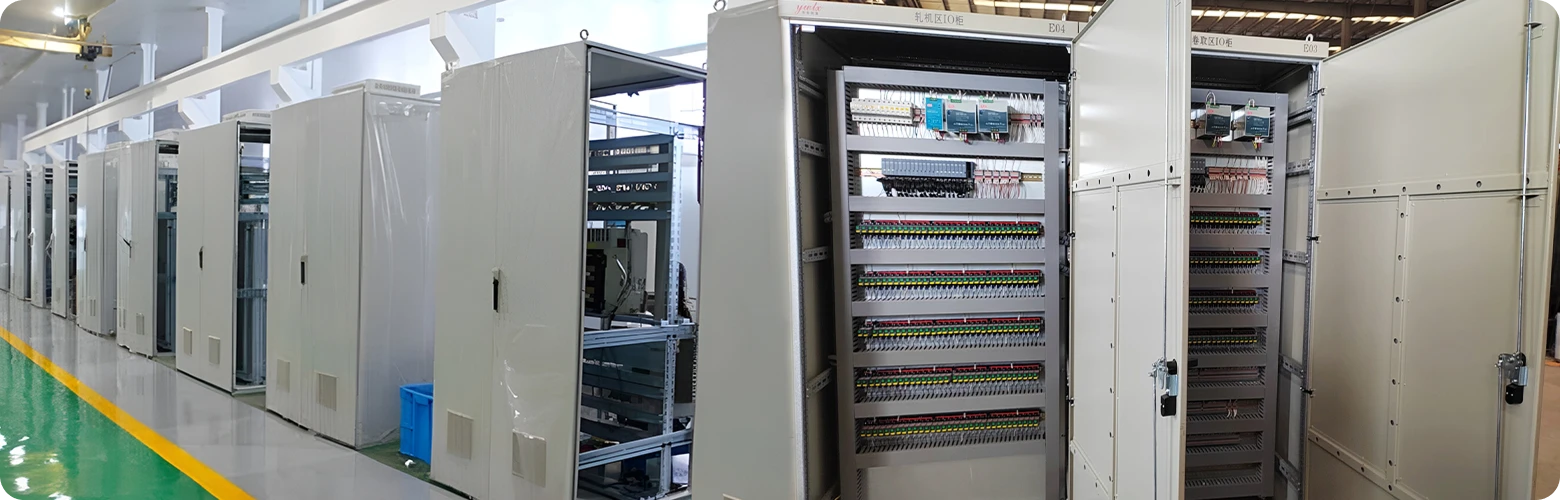
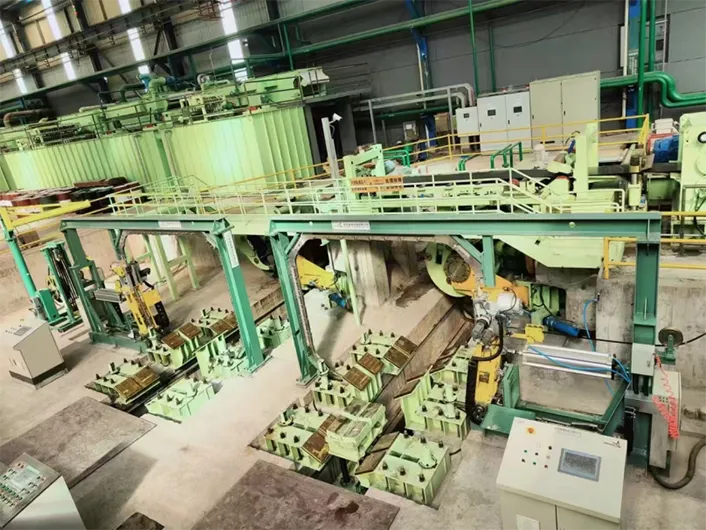

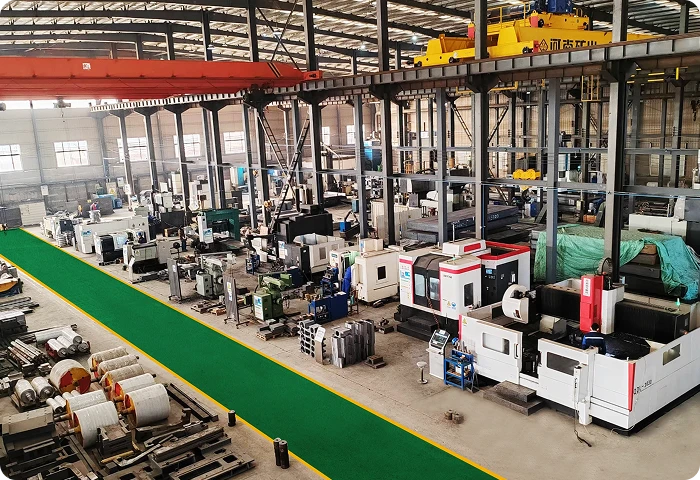
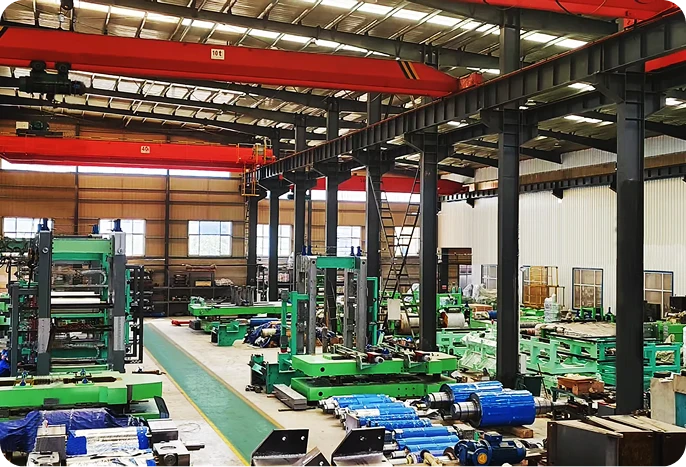
Yang Wang Li Xin operates a state-of-the-art facility over 66,000 square meters,and our manufacturing facility is fully equipped with high-tech machinery and high-capacity cranes. This enables us to handle large work pieces measuring 4.5m in width, 10m in length, and 1.5m in height, guaranteeing our capacity to produce 1800mm skin-pass mills and 1450mm rolling mills. The individual piece can weigh up to 100 tons.


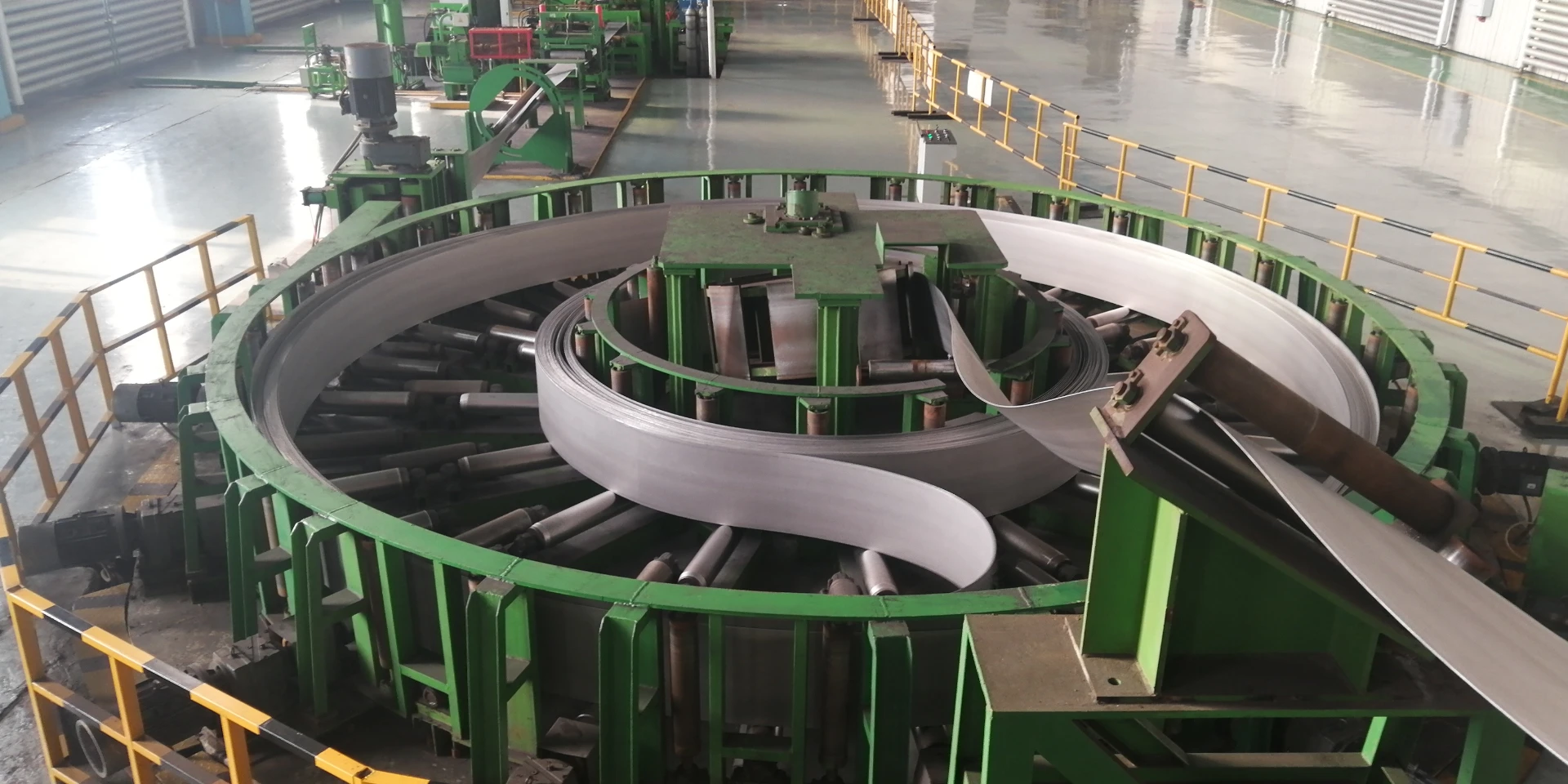
Quality is fundamental to the enterprise survival. We have established a comprehensive and meticulous quality management system and have successfully obtained ISO14000 certification. Starting from the design source, it supervises the entire production cycle, including design, procurement, processing, assembly, in-factory testing, installation, and online commissioning. The workshop is equipped with measuring tools like vernier calipers, spectrometers, hardness testers, and ultrasonic flaw detectors. They are used to check materials and control tolerances to ensure the final equipment meets or exceeds requirements. All products have a unique code, This enables the easy identification and traceability of the equipment components and ensures full control of quality.


-
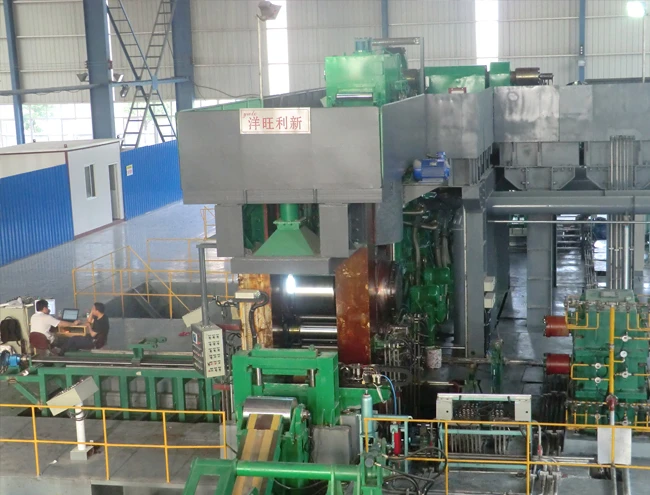
 Precision Automatic Gauge Control Cold Rolling Mill Systemsautomatic gauge control cold rolling mill, automatic gauge control in strip rolling, hydraulic automatic gauge control is a key solution in the manufacturing industry, specifically within Manufacturing of industrial automation equipment and Manufacturing of automation control systems for metallurgical industry. This article explores how Beijing Yang Wang Li Xin Sci&Tech Co.,Ltd. supports professi
 -
 آلة التعبئة والتغليف الآليةأسواق الصناعات الثقيلة تتطلب أجهزة متخصصة لضمان أعلى مستويات الكفاءة والجودة . من بين هذه الأجهزة، يُعد المطحنة العالية Z مثالًا بارزًا على الابتكار في مجال تشكيل المعادن وتصنيع الصُلب. مع التطور التكنولوجي، تسهم المطاحن العالية في دفع عجلة الإنتاج وتقليل الفاقد، مما يضعها في مقدمة الخيارات للمصانع الكبرى. تُعتبر المطحنة العالية Z جهازًا معقدًا متعدد الأوجه مصممًا خصيصًا لتحسين عمليات التشكيل بالط
 -
 Reversible Rolling Mill | High-Precision, Efficient, Flexiblereversible rolling mill,hot strip steel mill,cold rolling mill is a key solution in the manufacturing industry, specifically within Metallurgical equipment manufacturing and Manufacturing of steel rolling equipment. This article explores how Beijing Yang Wang Li Xin Sci&Tech Co.,Ltd. supports professionals with durable, high-performance products, and explains why this product is an ideal choice fo


